613 446-5039

613 446-5039

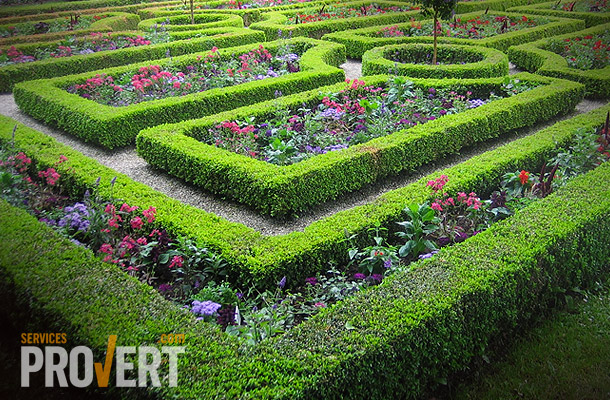
Deep root fertilization is an effective technique that delivers essential nutrients directly to the root zone of trees, shrubs, and hedges.
Some people believe that trees and shrubs do not require fertilization. However, in residential and urban environments, soils are often low in nutrients or unbalanced, which can limit plant growth and vitality.
Fertilization involves supplying the nutrients required by both the soil and the plant, helping to support healthy and vigorous development.
The injection technique places fertilizer directly into the soil near the root system, ensuring better nutrient absorption while minimizing nutrient loss.
In addition, using organic and natural fertilizers helps enrich the soil’s biological activity while reducing environmental impact.
Benefits of Deep Root Fertilization
Proper fertilization helps trees, shrubs, and hedges better withstand environmental stress and maintain their vigor.
It helps to:
- Promote stronger and healthier growth
- Improve foliage density
- Increase resistance to heat, cold, and drought stress
- Reduce vulnerability to diseases and insect pests
- Improve the structure and shape of branches
- Enhance the natural color of foliage
A well-nourished tree is generally more resilient to environmental stress and better able to defend itself against pests and diseases.
Prevention First
In many cases, by the time a disease or insect infestation becomes visible, the plant has already been weakened and the damage may persist for several years.
Proper landscape management, including appropriate fertilization, is therefore one of the best preventive strategies.
Well-nourished trees, shrubs, and hedges remain healthier, stronger, and more visually attractive in landscape settings.
Why fertilize trees and shrubs?
In urban and residential environments, soils often contain limited available nutrients, which can restrict plant growth. Fertilization helps maintain plant health.
What is deep root fertilization?
Deep root fertilization involves injecting nutrients directly into the soil near the root zone, allowing plants to absorb them more efficiently.
When should trees and shrubs be fertilized in Quebec?
Fertilization is typically performed in spring or early summer, when trees and shrubs are actively growing.
Is this method used in the Montreal area?
Yes. Deep root fertilization is commonly used throughout Greater Montreal, Laval, Longueuil, Brossard, the South Shore, and the North Shore, where urban soils are often compacted or nutrient-poor.
Can fertilization help prevent diseases?
Yes. Well-nourished trees and shrubs are generally more resistant to diseases and insect pests.
Does fertilization improve plant appearance?
Yes. Proper fertilization promotes denser foliage, richer colors, and improved branch structure.
Nous sommes partout
dans la région


