613 446-5039

613 446-5039

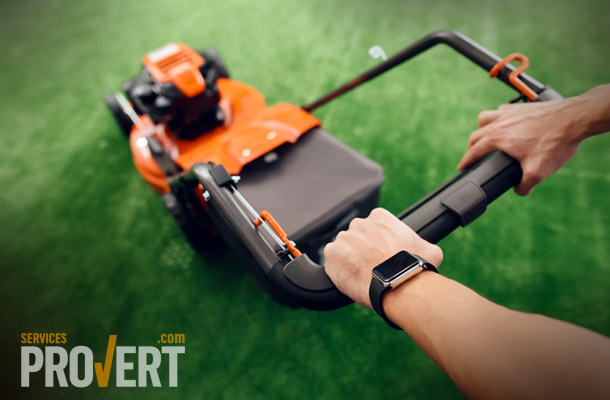
Regular lawn mowing is essential to maintain a dense, healthy, and attractive lawn. Proper mowing encourages strong grass growth and helps limit the spread of weeds.
Unfortunately, many homeowners wait too long before mowing and then cut the lawn very short. This practice weakens the grass, reduces its density, and allows weeds to invade more easily. Contrary to common belief, mowing the lawn very short does not eliminate weeds. In fact, it often gives them an advantage by weakening the turf.
The ideal mowing height is approximately 7 cm (3 inches). This measurement refers to the height of the grass after mowing. It is recommended to maintain this height throughout the growing season, including during the final mowing of the year in the fall.
Certain precautions should also be followed when mowing:
- Do not mow a frozen lawn, as this can damage the grass blades and affect future growth.
- Avoid mowing during very hot days, especially after rainfall, to reduce the risk of lawn diseases.
- Avoid mowing on warm and humid evenings, since mowing creates small wounds in the grass blades where pathogenic fungi can enter and later cause lawn diseases.
Mowing frequency depends on the vigor of grass growth. In general, lawns should be mowed once per week in spring and fall, while growth often slows during the summer.
It is also recommended to occasionally vary the mowing pattern when the layout of the lawn allows it. This practice helps reduce soil compaction and promotes more uniform growth.
In most situations, it is best to leave grass clippings on the lawn. These clippings decompose quickly and return nutrients to the soil, acting as a natural fertilizer.
However, if the lawn contains weeds that have gone to seed, it is better to remove them before mowing. Otherwise, seeds present in the clippings may spread and further invade the lawn.
Finally, it is important to regularly sharpen mower blades. Dull blades tear the grass instead of cutting it cleanly. Torn grass tips dry out quickly and are more vulnerable to lawn diseases.
Proper mowing practices contribute greatly to maintaining a healthy, dense, and resilient lawn.
What is the ideal mowing height for lawns in Quebec?
The recommended mowing height is approximately 7 cm (3 inches). This height protects the roots, promotes dense grass growth, and helps reduce weed growth.
How often should a lawn be mowed?
Typically, lawns should be mowed once per week in spring and fall. During the summer, mowing may be less frequent as grass growth slows due to heat and dry conditions.
Should grass clippings be left on the lawn?
Yes. Grass clippings decompose quickly and return valuable nutrients to the soil, acting as a natural fertilizer for the lawn.
Can you mow a wet lawn?
It is generally best to avoid mowing wet grass. Moisture can promote lawn diseases and may lead to uneven cutting.
Why is it important to sharpen mower blades?
Sharp mower blades cut grass cleanly. Dull blades tear the grass, which can cause the tips to turn brown and make the lawn more susceptible to disease.
Nous sommes partout
dans la région


