613 446-5039

613 446-5039

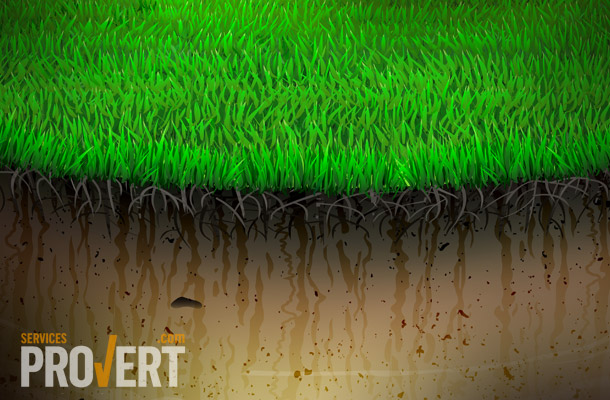
Sometimes a lawn does not respond well to fertilization, even when fertilizers are applied regularly. Several factors can explain this situation.
Common causes of poor lawn growth may include:
- excessive thatch buildup;
- compacted soil that restricts root development;
- poor soil drainage;
- the presence of lawn diseases;
- damaging insects;
- lack of sunlight.
Another frequent cause is soil nutrient imbalance.
A nutrient imbalance means that some essential nutrients required for turfgrass growth are deficient, while others may be present in excess. Under these conditions, the lawn cannot grow properly even if fertilizers are applied.
The soil pH also plays a major role. Soil that is too acidic or too alkaline can prevent grass roots from absorbing the nutrients they need.
Unfortunately, these problems are usually not visible to the naked eye. It is difficult to determine visually whether soil lacks nutrients or has an imbalanced pH.
The best solution is to perform a complete soil analysis. This involves collecting a soil sample from the lawn and sending it to a specialized laboratory.
The results of the analysis help determine:
- the soil pH level;
- the concentration of major nutrients;
- potential nutrient imbalances;
- the necessary corrections, such as adding lime or specific fertilizers.
With this information, it becomes possible to implement a fertilization program tailored to the actual needs of the soil, promoting a denser, greener, and healthier lawn.
A soil analysis is therefore a valuable tool for improving lawn health and optimizing lawn care practices.
Why should I test my lawn soil?
Soil testing helps determine soil pH and nutrient levels, allowing proper fertilization and healthier lawn growth.
What problems can a soil analysis detect?
A soil test can identify:
- nutrient deficiencies;
- excess nutrient levels;
- soil that is too acidic or too alkaline;
- nutrient imbalances affecting lawn growth.
How often should lawn soil be tested?
In most cases, soil testing every two to three years is sufficient to maintain an effective fertilization program.
Can a soil analysis improve lawn health?
Yes. Soil testing allows targeted corrections such as lime or fertilizer applications, improving overall turf health.
Do you offer soil testing services in Quebec and Ontario?
Yes. Services Provert provides lawn soil analysis and professional lawn care services throughout Quebec and southern Ontario, helping homeowners maintain dense and healthy turf.
Nous sommes partout
dans la région


